
FranchiseKing articles are editorial information and AI-assisted franchise intelligence, not professional advice. Use them as a starting point for your own due diligence.
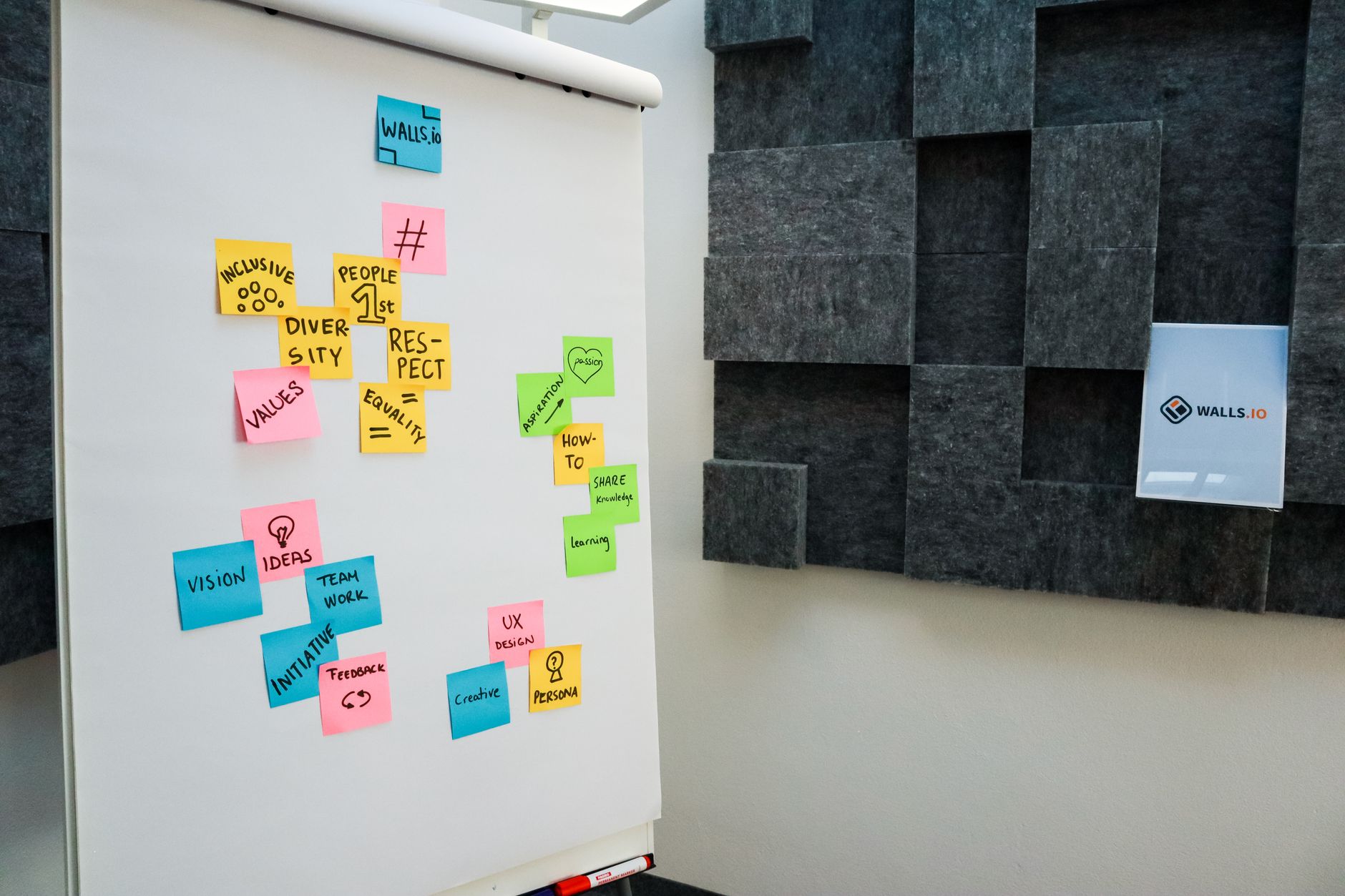
Your franchise might have a values problem — even if the words look good on the wall. That’s the core signal from a recent piece by the Franchise Association of South Africa. It argues that many networks list values like Integrity or Customer First without ever embedding them into the actual decisions franchisees make at store level. And that gap is costing the system money and consistency. Let’s look at why that matters and what to do about it.
Why it’s a real issue
Franchising is about replicating a successful model across many sites and operators. Every time you hand a franchisee the keys, you’re also handing them hundreds of daily choices — from hiring to handling a customer complaint to deciding whether to honour a slightly expired discount. If your network’s values only appear in the induction manual and the HR poster, they don’t guide those choices. They become wallpaper. And two franchisees running the same brand can end up with very different cultures because their personal values, not the system’s, are making the calls.
What the source says vs
what we infer The source article correctly identifies the gap. It suggests using scenario-based training to make values actionable. FranchiseKing agrees with the diagnosis but adds a stronger commercial lens: this is not just a soft HR issue. When customers get inconsistent service across a brand because franchisees interpret “Customer First” differently, foot traffic and repeat business suffer. Lenders and landlords also evaluate brand strength when assessing franchise applications. A values-loose network is a higher risk on many fronts. The source does not cite specific South African research or cases. We see this as a starting point for franchisors to audit their own systems, not as a proven trend with hard data.
What to watch
- Whether franchisors are building values into onboarding, annual reviews, and mystery shopper scorecards — or just into the welcome pack.
- If franchisees who score higher on values alignment also show lower compliance breach rates. Some networks track this already.
- How new entrants to a franchise system — especially first-time owners — behave when values aren’t operationally defined. That’s where drift starts.
- Whether lease negotiations or funding applications start asking about brand culture consistency as a risk factor. It’s rare now, but not unlikely.
Questions buyers should ask
- How does the franchisor define and measure values in daily operations, not just in training?
- Can the franchisor give examples of decisions franchisees have made where values guided a difficult call?
- Do the operations manual and the brand’s values document align on handling common scenarios like refunds or staff discipline?
- What happens if a franchisee’s way of running the store is profitable but does not match the stated values? Is that tolerated or challenged?
FranchiseKing take
Stated values are cheap. Embedded values are hard work. The FASA article points to an honest problem, but solving it means more than better laminated posters. It means writing real-world scenarios into every training module and testing franchisees against them — not just in theory, but in mystery shops and annual reviews. Franchisors that do this will build stronger local trust and, probably, better same-store sales. Those that don’t will find that their brand promise gets diluted one hire and one customer interaction at a time.
Why it matters
This signal matters because it gives buyers, operators and franchisors a practical prompt for what to verify next before acting on the headline.
Who is affected
Opportunity and risk
High attention required. This rating is editorial guidance for further investigation, not financial advice.
Related sectors
Sources
- Franchise Association South Africa fasa.co.za
Use this article as a starting point for your own due diligence. FranchiseKing content is editorial and AI-assisted; it is not professional advice or a guarantee of accuracy, outcome or suitability. Read the full disclaimer and AI content policy.